
The memory system behind an Agentic OS
Mike Codeur
Why this matters now
Claude Code a maintenant une mémoire utile pour un projet. Mais construire un Agentic OS comme OpenClaw demande une vision plus large : plusieurs projets, plusieurs canaux, plusieurs décisions et une mémoire qui tient dans le temps.
The important point is not just the tool itself. It is what it reveals about how software development is changing. We are moving from occasional AI usage to more structured work systems: agents, automation, persistent context and multi-tool workflows.
The real topic behind un Agentic OS
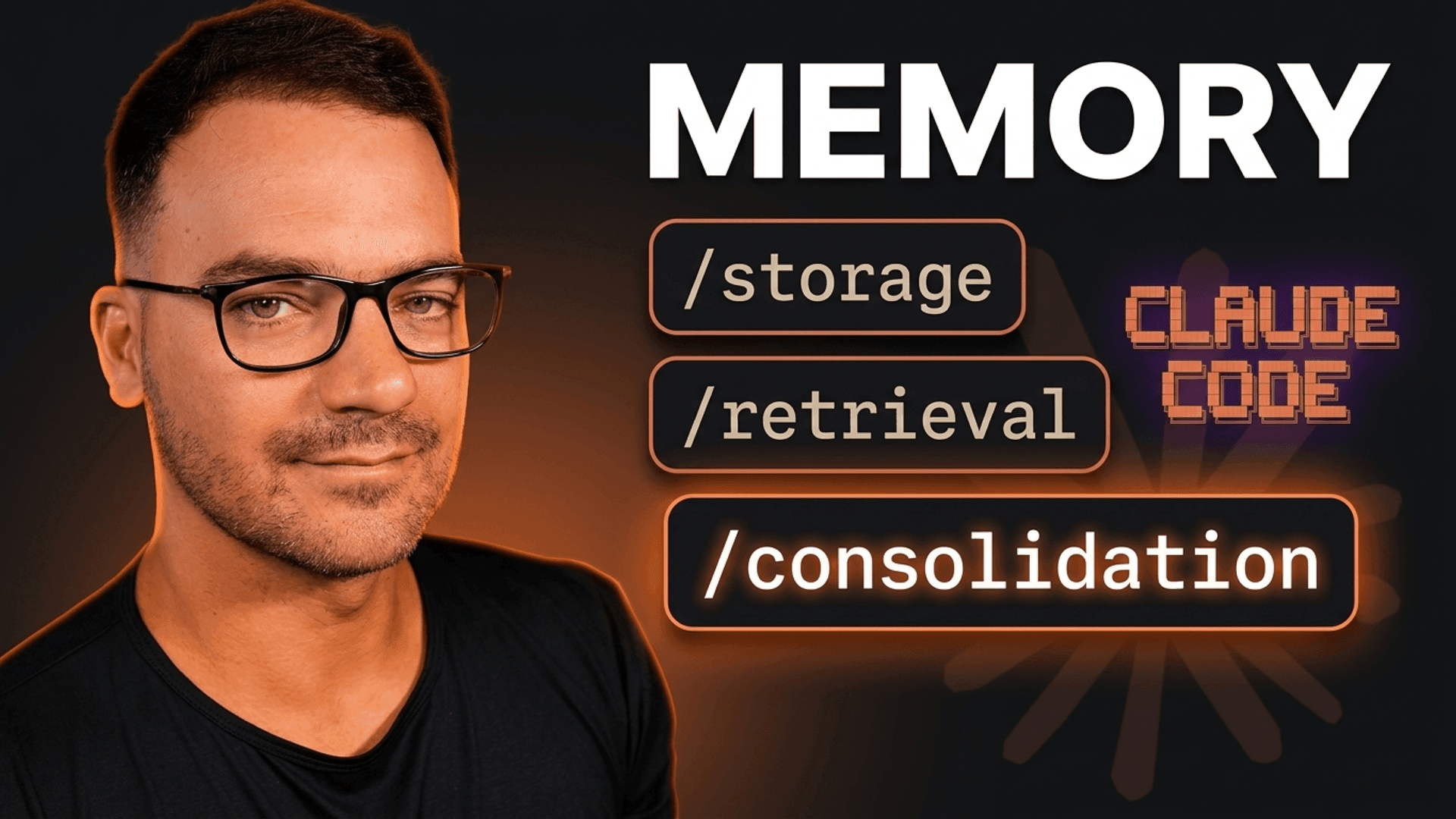
Le modèle que je propose sépare trois couches : Storage, Retrieval et Consolidation. Storage répond à “où vit la mémoire ?”. Retrieval répond à “comment l’agent retrouve la bonne info ?”. Consolidation répond à “comment les sessions deviennent des décisions durables ?”.
- Storage : CLAUDE.md, Auto Memory, Obsidian, markdown
- Retrieval : recherche, index, embeddings, RAG
- Consolidation : nettoyage, résumé, décisions durables
- OpenClaw : exemple concret de mémoire cross-projets et cross-canaux
What this changes for developers
The question is no longer just: is this tool impressive? The real question is: does it help you design better, delegate better, verify better and ship better?
A developer who uses these tools as an extension of their work system gains a real advantage. Not because they try every new tool, but because they understand where the tool fits inside their production architecture.
My take
Le RAG est utile, mais il ne suffit pas. Pour construire des agents long-terme, la couche de consolidation devient centrale.
Watch the video
I covered the full topic in this video:
If you want more field notes on Claude Code, AI agents and AI-assisted development, I share them in The Agentic Dev: