
Anthropic just killed OpenClaw (but there is still a solution)
Mike Codeur
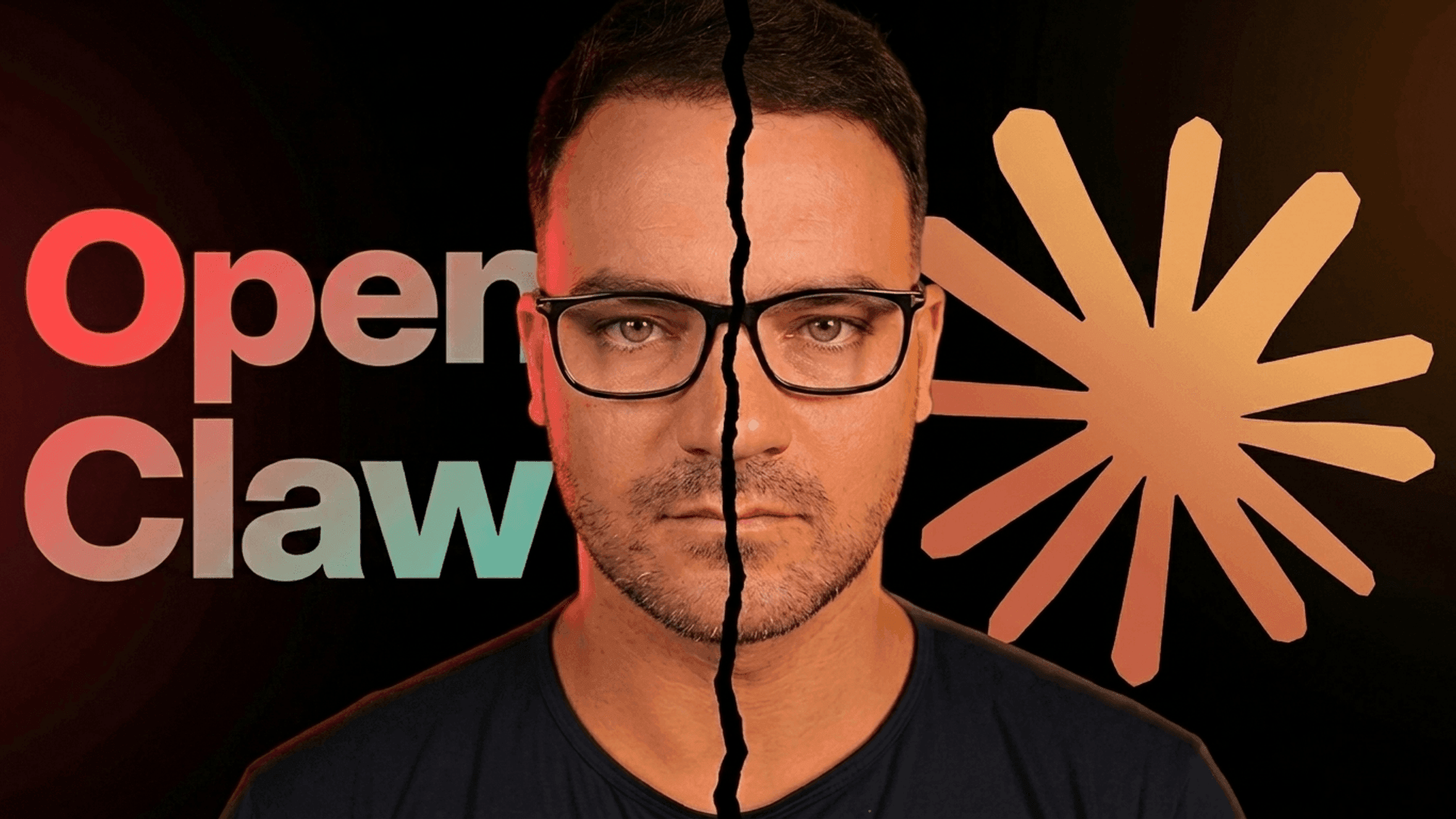
Anthropic blocked OAuth tokens for third-party tools. For many developers, that looked like a small technical issue. In reality, it is a much bigger lesson: when your AI workflow depends on access you do not control, your whole setup can break overnight.
In today's video, I explain how to keep using OpenClaw with Claude after this change. But beyond the workaround itself, the real takeaway is about resilience, cost, and dependency management when you build serious agentic workflows.
What actually happened
A lot of people were using OpenClaw with their Claude Pro or Max subscription through OAuth-based access patterns exposed to third-party tools. Anthropic closed that path.
Immediate consequences:
- some workflows stopped working
- automations got blocked
- many developers realized they were relying on a fragile layer
This is not just a "works / doesn't work" story. It is an architecture story.
Why it matters if you work with AI agents
When you build a real setup with OpenClaw, Claude Code, automations, reminders, background tasks, or content workflows, you are actually building a small infrastructure.
And in any infrastructure, you need to separate 3 layers:
| Layer | Role | Main risk |
|---|---|---|
| Model | Generate, reason, write code | pricing changes, limits, access removal |
| Orchestration tool | Dispatch tasks, run agents, automate flows | dependency on third-party integrations |
| Personal workflow | Your rules, prompts, organization | complexity debt |
Most people optimize for convenience first. They choose the easiest thing to connect. Then one API changes, one product policy changes, one token disappears, and the whole system falls apart.
The 3 ways to keep using OpenClaw
1. The CLI workaround
The first option is to use a CLI backend. It is often the cheapest path, and sometimes the most economical one if you want to keep benefiting from an existing subscription.
But let's be honest:
- it is not the cleanest long-term path
- it still depends on product behavior that can change again
- it requires more tinkering
It is a good option if you want speed, experimentation, or lower cost.
2. The Anthropic API
The second option is the official path. You pay for the API, configure your stack properly, and get a much more stable setup.
This is usually the right choice if:
- you use OpenClaw every day
- you want fewer surprises
- you accept variable API cost in exchange for reliability
The real question is not only price. It is the balance between stability and control.
3. ACP agents for coding tasks
The third option is especially interesting for development work. The point is not only to "make Claude work again". The point is to rethink how the model fits into your workflow.
With ACP, you can dedicate specific tasks to specialized agents, especially coding tasks, and distribute usage based on the level of effort required.
That is usually where a setup becomes mature:
- one main orchestration tool
- one stable path for critical tasks
- specialized agents for coding and execution
My take on this
The point is not to defend one stack out of ego. The point is to choose a system that can survive market changes.
The AI ecosystem is moving very fast:
- models change
- pricing changes
- permissions change
- integrations change
So your goal should not be:
"Find the one perfect tool forever"
Your goal should be:
"Build a workflow flexible enough to absorb change without rebuilding everything"
That is the difference between a gadget setup and a professional one.
What I recommend to developers
If you already use OpenClaw, Claude Code, or other agentic tools, here is my practical advice:
- always keep one official fallback
- separate convenience usage from critical usage
- think about cost as infrastructure budget, not impulse purchase
- document your setup so you can rebuild it fast
The biggest trap is not API pricing. The biggest trap is losing time because your system depends on a fragile access layer.
Full video
In the video, I break down the 3 options, the trade-offs of each approach, and the setup I personally use today.
👉 Watch the video: https://mkc.sh/tue-openclaw?utm_source=blog
📩 For more analysis like this every week: http://mkc.sh/the-agentic-dev?utm_source=blog
If you are building serious AI workflows, agents, AI-assisted coding systems, or automations, this is exactly the kind of platform shift you need to learn to anticipate.