
Anthropic Mythos and the End of Security Complacency
Mike Codeur
Why Anthropic's announcement changes the conversation
Most people still talk about AI in software through the lens of productivity: faster coding, quicker refactors, better tests, smoother code reviews.
The material Anthropic published around Project Glasswing and Claude Mythos Preview points to something deeper: frontier models are not just helping generate code anymore, they are starting to find and exploit real vulnerabilities in critical software.
Anthropic highlighted concrete examples:
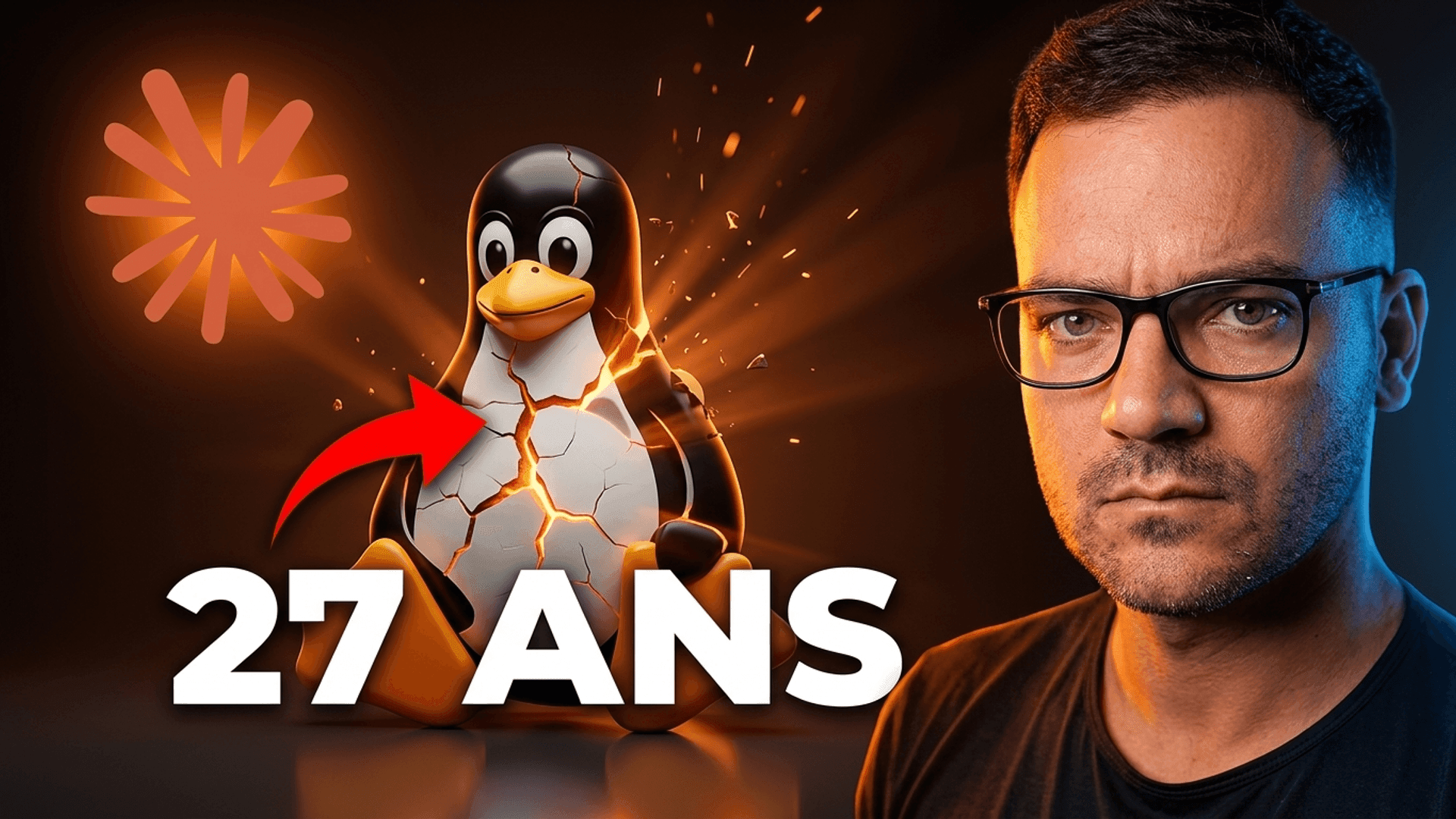
- a 27-year-old vulnerability in OpenBSD
- a 16-year-old vulnerability in FFmpeg
- exploit chains in the Linux kernel
- large performance jumps over Opus 4.6 on security-oriented evaluations
Full video here: https://mkc.sh/anthropic-mythos?utm_source=blog
What Claude Mythos demonstrated
Anthropic positions Mythos as a non-public frontier model tested through a defensive initiative with major partners under Project Glasswing.
The key point is not only raw capability. It is that the reported findings are verifiable and affect codebases many people assumed had already been heavily examined.
| Signal | What it suggests |
|---|---|
| CyberGym: 83.1% | A clear jump over Opus 4.6 |
| Firefox: 181 working exploits | A different level of autonomous exploit development |
| OSS-Fuzz: multiple tier-5 results | Much more serious control scenarios |
Why OpenBSD and FFmpeg matter so much
These are the examples developers should pay attention to first.
OpenBSD shows that vulnerabilities can stay hidden for decades, even in codebases with a strong security reputation. FFmpeg shows that critical issues can survive inside massively used dependencies despite automation and human review. Linux kernel exploit chains make the topic concrete for infrastructure and production systems.
What this changes for engineering teams
The real takeaway is that the cost of finding vulnerabilities is dropping.
When that cost drops, several things become true at once:
- Legacy code becomes riskier
- Old dependencies become more sensitive
- Poorly documented areas become more dangerous
- Security can no longer live in a separate silo from development
Practical steps
- map critical areas of the codebase
- revisit old C/C++ modules and untouched components
- reassess trust assumptions around dependencies
- improve documentation in sensitive areas
- use AI for defense, not only feature generation
AI does not make software engineering less serious. It probably makes it more demanding.
- Watch the video: https://mkc.sh/anthropic-mythos?utm_source=blog
- Join The Agentic Dev newsletter: https://mkc.sh/the-agentic-dev?utm_source=blog